جاري التحميل...
جاري تحميل محتوى الصفحةNo Image
متبقي 01 فقط
مضادات حيوية
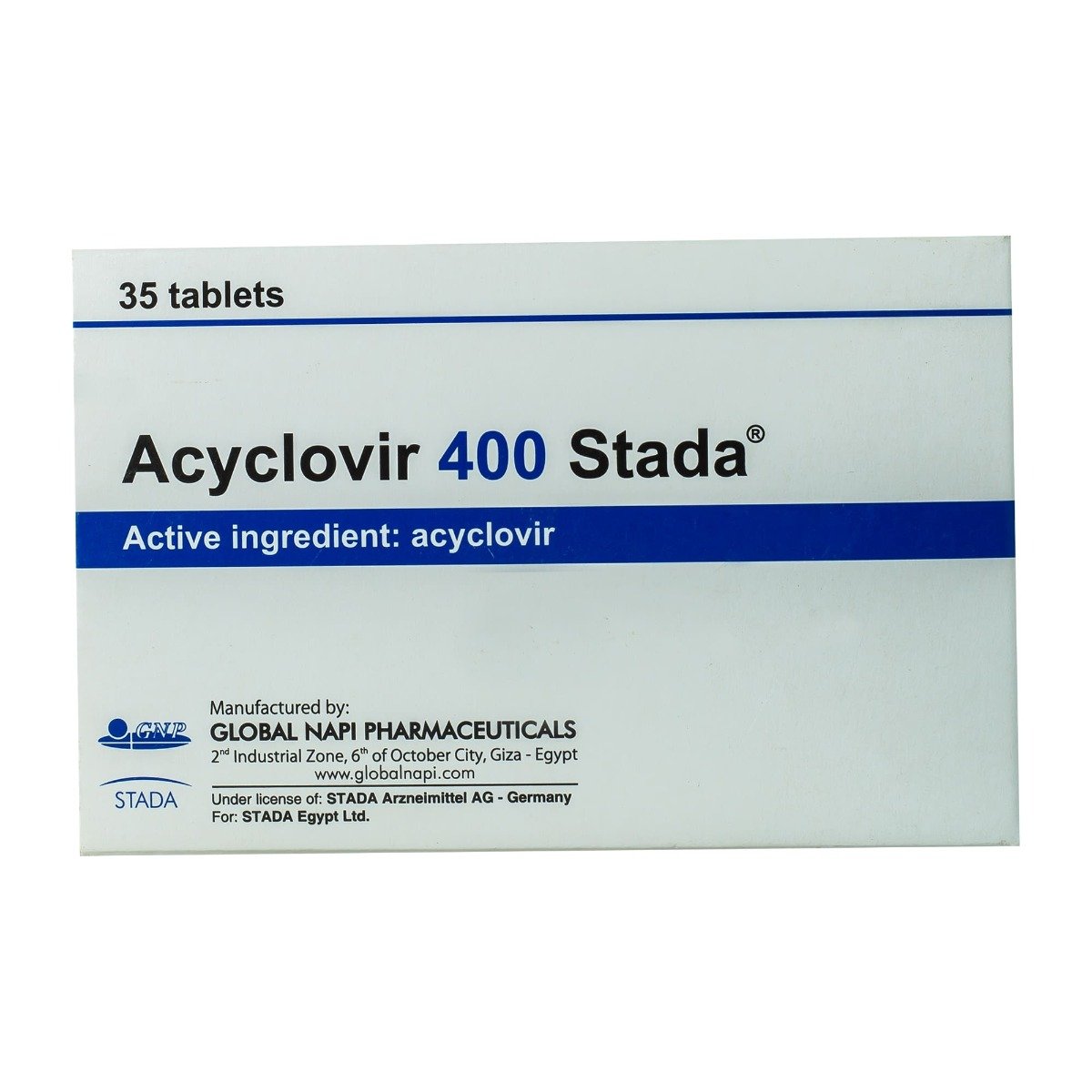
اسيكلوفير 800مجم 35 قرص ستادا
acyclovir 800 stada 35 tab
280ج.م
Scientific nameالاسم العلمي
acyclovirCompositionالتركيبة
acyclovir · 800 mgFormالشكل الدوائي
أقراصBarcodeالكود
6223002143306Used for · يُستخدم في
- مضاد فيروسات لعلاج حالات العدوى الفيروسية - علاج عدوى فيروس الهربس البسيط (Herpes simplex) مثل الهربس الفموي والشفوي - علاج الهربس التناسلي وتقليل تكرار النوبات - علاج الحزام الناري (Herpes zoster) - علاج جدري الماء (Chickenpox) خاصة في الحالات الشديدة - تقليل شدة ومدة أعراض العدوى الفيروسية - يستخدم للوقاية من تكرار عدوى الهربس في بعض المرضى - يُستخدم في المرضى ضعيفي المناعة للسيطرة على العدوى الفيروسية
01
منتج أصلي ١٠٠٪02
توصيل ٣٠ دقيقة03
حفظ آمن ومُبرّدالنشرة الدوائية التفصيلية
Drug Monograph — acyclovir
Mechanism of Antiviral Action: Acyclovir is a synthetic purine nucleoside analogue with in vitro and in vivo inhibitory activity against herpes simplex virus types 1 (HSV-1), 2 (HSV-2), and varicella-zoster virus (VZV). The inhibitory activity of acyclovir is highly selective due to its affinity for the enzyme thymidine kinase (TK) encoded by HSV and VZV. This viral enzyme converts acyclovir into acyclovir monophosphate, a nucleotide analogue. The monophosphate is further converted into diphosphate by cellular guanylate kinase and into triphosphate by a number of cellular enzymes. In vitro , acyclovir triphosphate stops replication of herpes viral DNA. This is accomplished in 3 ways: 1) competitive inhibition of viral DNA polymerase, 2) incorporation into and termination of the growing viral DNA chain, and 3) inactivation of the viral DNA polymerase. The greater antiviral activity of acyclovir against HSV compared with VZV is due to its more efficient phosphorylation by the viral TK. Antiviral Activities: The quantitative relationship between the in vitro susceptibility of herpes viruses to antivirals and the clinical response to therapy has not been established in humans, and virus sensitivity testing has not been standardized. Sensitivity testing results, expressed as the concentration of drug required to inhibit by 50% the growth of virus in cell culture (IC 50 ), vary greatly depending upon a number of factors. Using plaque-reduction assays, the IC 50 against herpes simplex virus isolates ranges from 0.02 to 13.5 mcg/mL for HSV-1 and from 0.01 to 9.9 mcg/mL for HSV-2. The IC 50 for acyclovir against most laboratory strains and clinical isolates of VZV ranges from 0.12 to 10.8 mcg/mL. Acyclovir also demonstrates activity against the Oka vaccine strain of VZV with a mean IC 50 of 1.35 mcg/mL. Drug Resistance: Resistance of HSV and VZV to acyclovir can result from qualitative and quantitative changes in the viral TK and/or DNA polymerase. Clinical isolates of HSV and VZV with reduced susceptibility to acyclovir have been recovered from immunocompromised patients, especially with advanced HIV infection. While most of the acyclovir-resistant mutants isolated thus far from immunocompromised patients have been found to be TK-deficient mutants, other mutants involving the viral TK gene (TK partial and TK altered) and DNA polymerase have been isolated. TK-negative mutants may cause severe disease in infants and immunocompromised adults....
هذه المعلومات الدوائية مُستخلصة من مصادر طبية موثوقة (FDA/Altibbi) وهي للتثقيف الصحي العام فقط، ولا تُغني عن استشارة الصيدلي أو الطبيب المختص. لا تبدأ أو توقف أو تغيّر جرعة أي دواء بدون إشراف طبي.
Reviews · التقييمات
آراء العملاء
Related · من نفس القسم